Eastern Bluetongue Lizard The Australian Museum
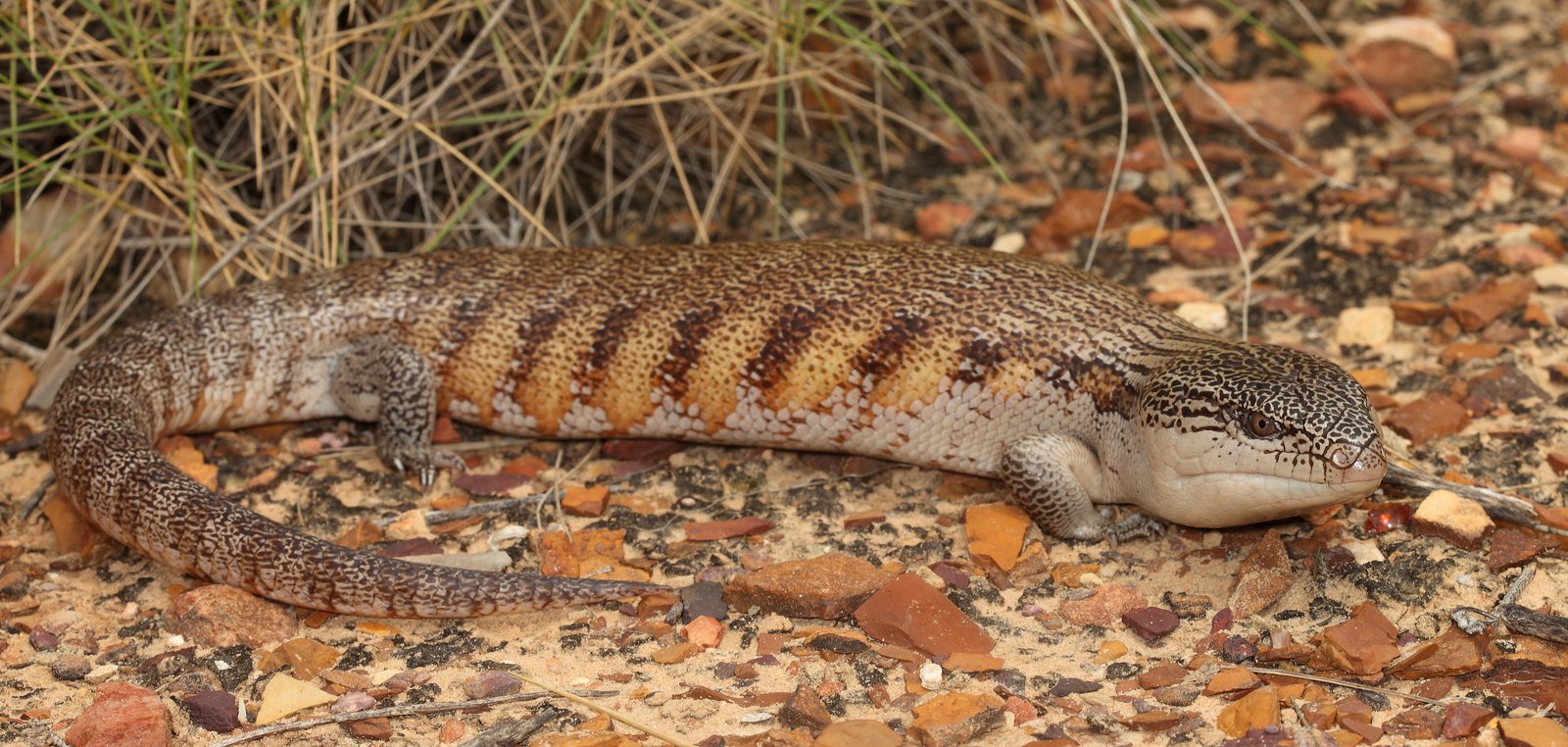
Fun Facts about the Northern Blue-tongued Skink. The Northern blue-tongued skink can shed its tail to escape predators and then re-grow it. When frightened, it will puff up its body, stick out its long, blue tongue and hiss to scare predators. Skinks are shy and seldom stray from their shelter.
Catching A Blue Tongue Lizard At Home YouTube

1. kg lbs. Length. 60. cm inch. The Blue-tongued lizard (Tiliqua scincoides) is a large species of skink found only in Australia and an island in Indonesia. Due to their characteristic blue tongue and their curious nature, Blue-tongued lizards are popular companion animals in Western countries. B. starts with.
Blue Tongue Lizard, Australia

Average lifespan. 20 years, possibly longer. Size. Up to 60cm long. Meet the bluetongue, a slow-moving lizard with a stocky body and docile disposition that's also the largest of Australia's skinks, of which there are more than 320 species. Skinks are smooth-skinned lizards that are well-known for dropping their tails - known as autotomy.
Bluetongued Skink Facts, Habitat, Diet, Pet Care, Babies, Pictures
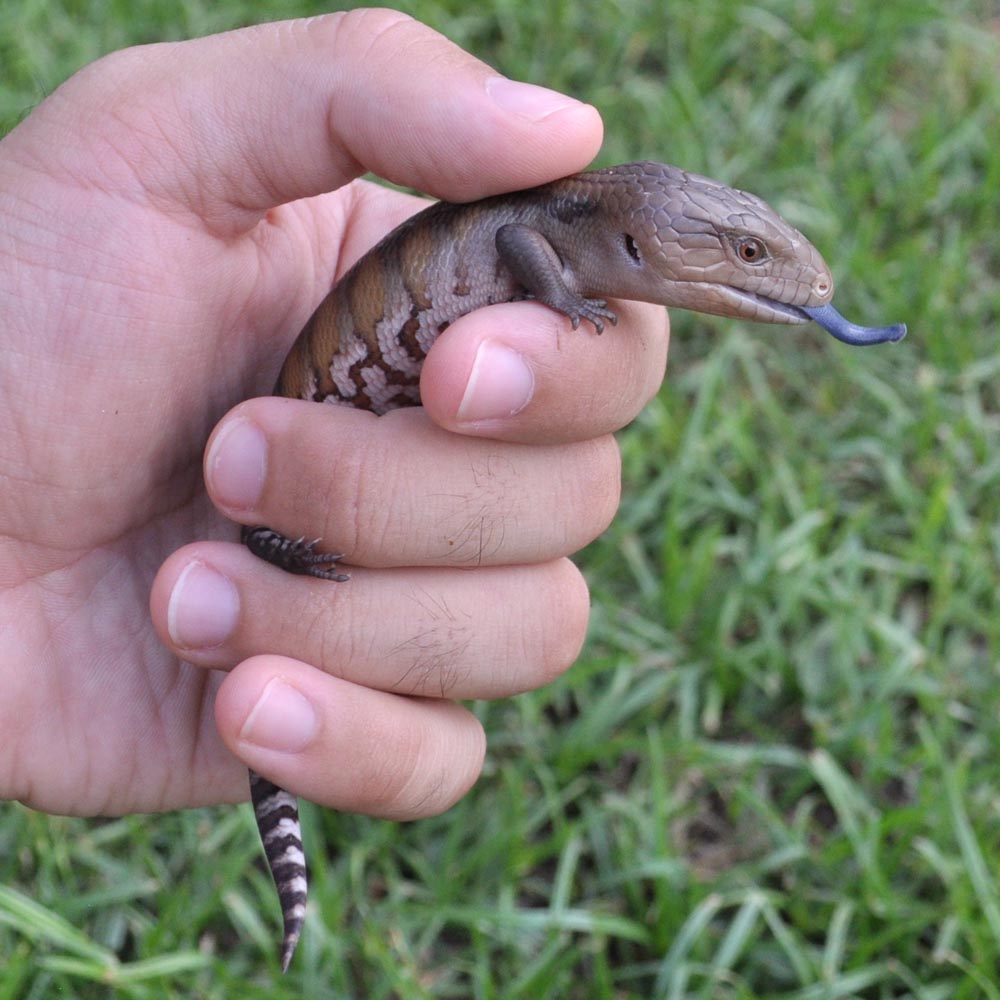
Quick facts for kids. The eastern blue-tongued lizard ( Tiliqua scincoides scincoides) is a subspecies of large skink which is common throughout eastern Australia, often found in bushland and suburban areas where conditions are suitable. The lizard is known as blue-tongue because its tongue can range from bright to dark blue, and it has a habit.
10 BlueTongued Skink Facts Fact Animal
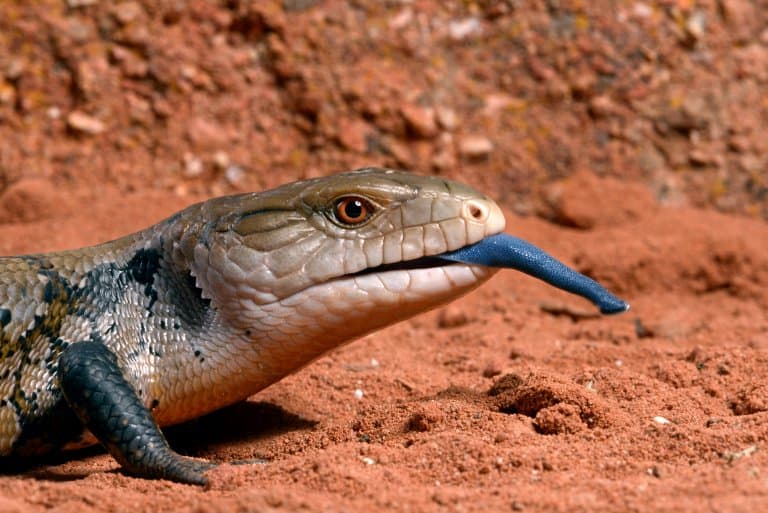
1. There are 8 species of those lizards. Most popular is Common blue-tongued skink. 2. They can be found in all habitats of Australia, Tasmania and New Guinea. One of its subspecies are also present in Indonesia. 3. The body is covered with scales. Coloration varies among species.
Blue Tongued Skink Facts, Info & Care Guide (With Pictures) Pet Keen

Interesting Blue-Tonged Skink Facts. 1. Their Tongues are multi-purpose. Let's get the tongue out of the way first. Such a vivid attribute has to come with a purpose, and with the blueys, this tongue licks a lot of boxes. The first thing to note is that in nature, not everything looks the same to everyone.
Bluetongued skink San Diego Zoo Wildlife Explorers
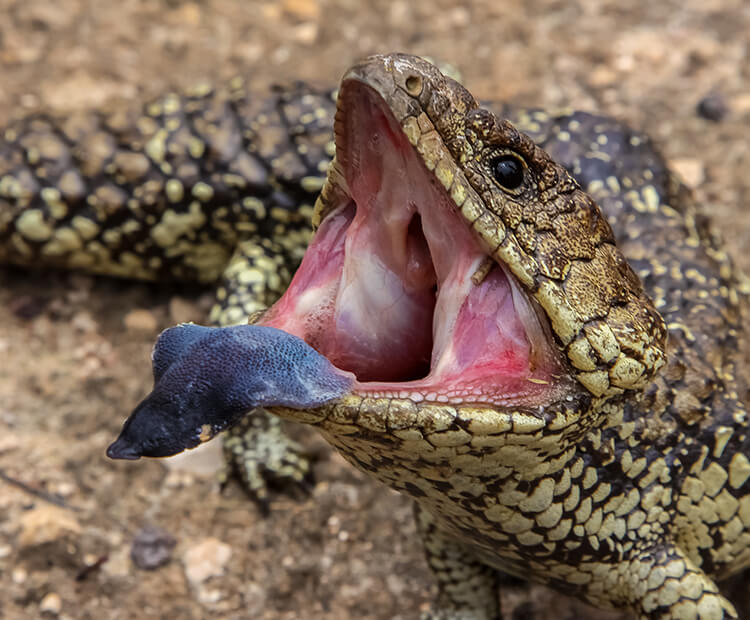
Here are 10 things you might not know about Australia's most well-known lizards. Their tongue is used to warn away enemies. Its bright blue colour, in combination with their pink mouth, scares potential predators away. Their main threats include birds such as Kookaburras and eagles, snakes, and domestic animals. They can bite.
Blotched BlueTongued Lizard Sean Crane Photography

Jump to blue-tongued skink facts. Ultimate Guide to Blue-Tongued Skinks - 8 Species 1. Adelaide pygmy blue-tongued skink. Latin name: Tiliqua adelaidensis;. Fun fact: Its name is actually a mistake. It was thought to originate in the city of Adelaide, but further studies have proved that untrue. The name just stuck.
Blotched BlueTongued Lizard Sean Crane Photography
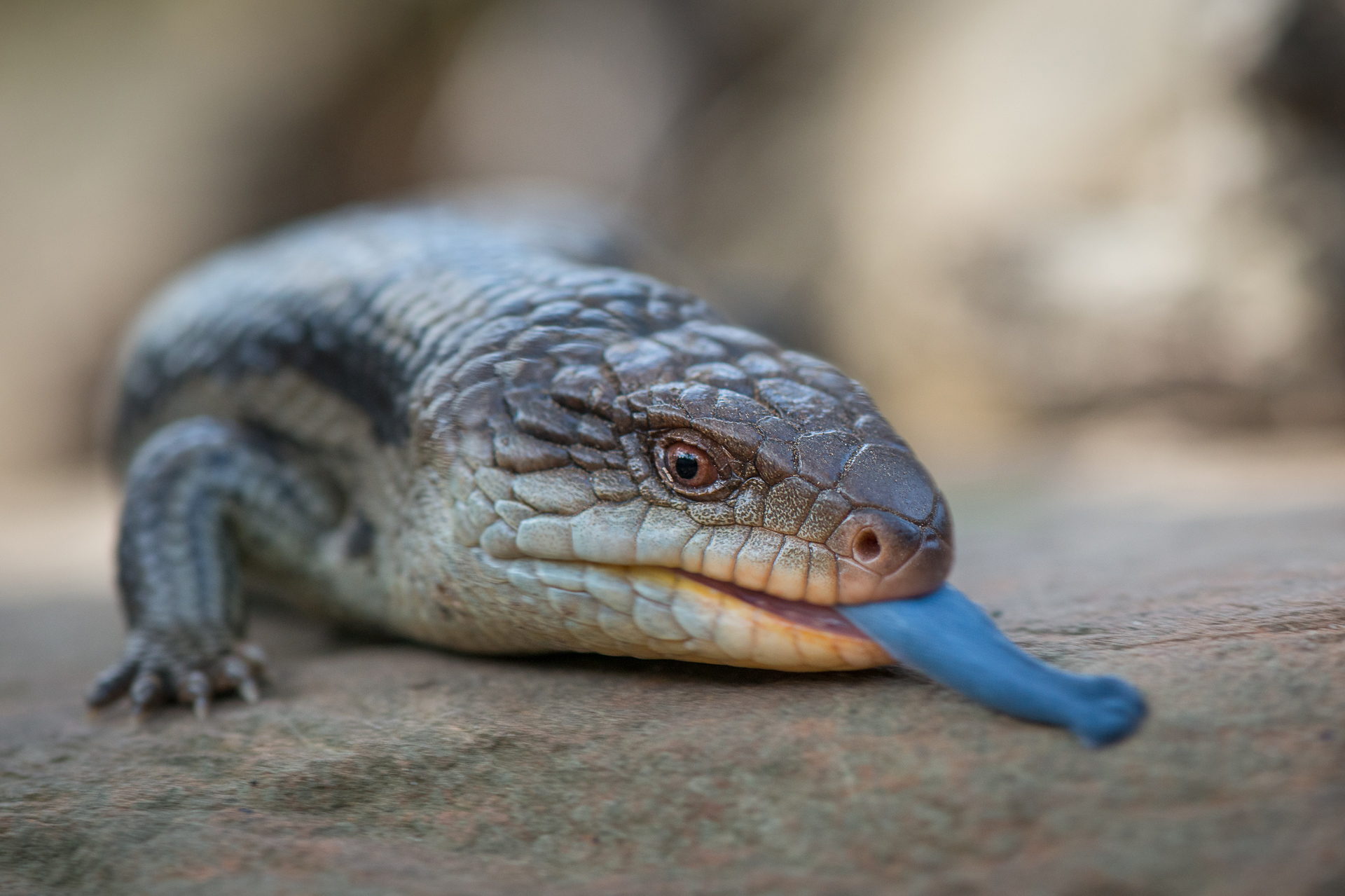
The head is triangular and broad. This skink is very well known for its long, bright blue tongue. Size. Total length of approximately 60 cm (24 in.) Weight. 283-510 g (10-18 oz.) Diet. Blue-tongued skinks are omnivores, meaning they feed on a variety of plants and animals. Their diet includes insects, worms, snails, flowers, fruits, and berries.
Eastern Blue Tongue Lizard Australian Reptile Park

Blue tongue skinks, also known as blue-tongued skinks, are an Australian genus of reptiles that are members of the skink (Scincidae) family. All blue tongue skinks are members of the genus Tiliqua, and are named for their characteristic blue tongues. There are eight different species in the genus, with various colors and patterns.
Australian Blue Tongue Skink Facts and Pictures
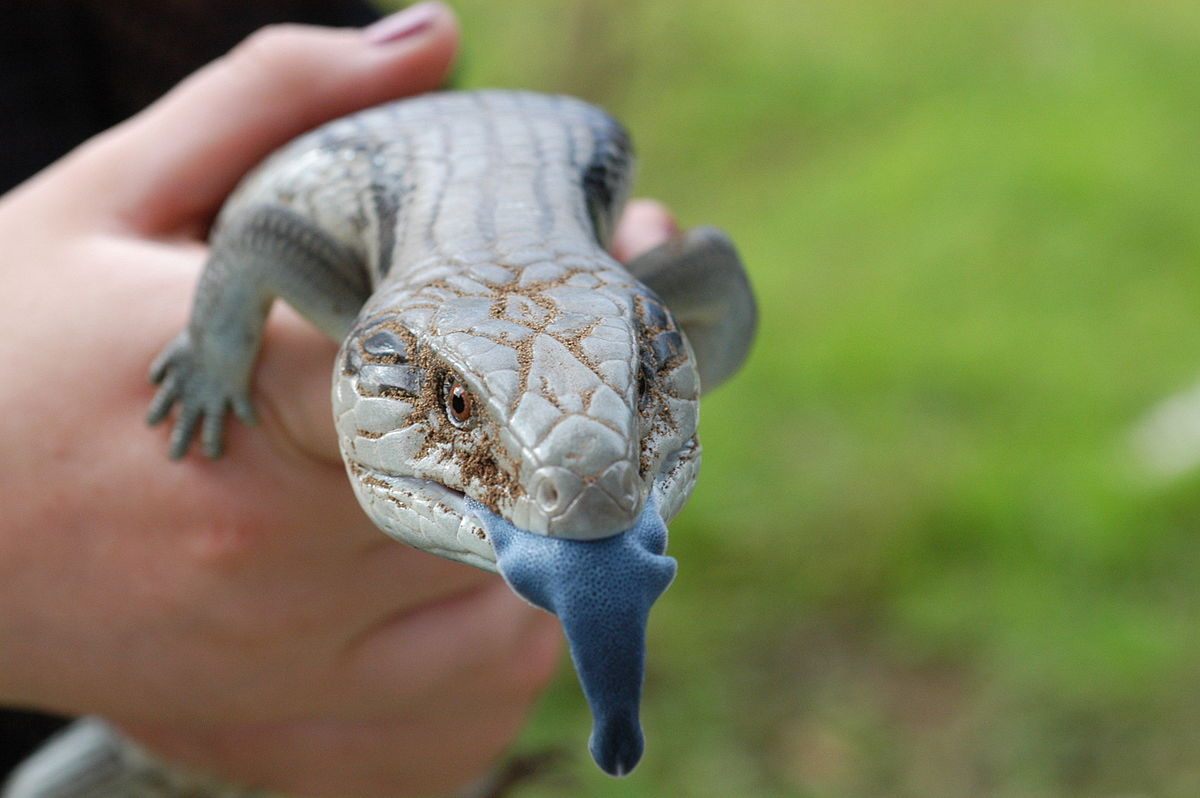
Four fun facts about blue-tongue lizards. Read more about the science behind the video here: Why blue tongue? A potential deimatic display has been uncovered in blue-tongue skinks. 1:00 Earth & environment.
BlueTongued Skink Honolulu Zoo Society
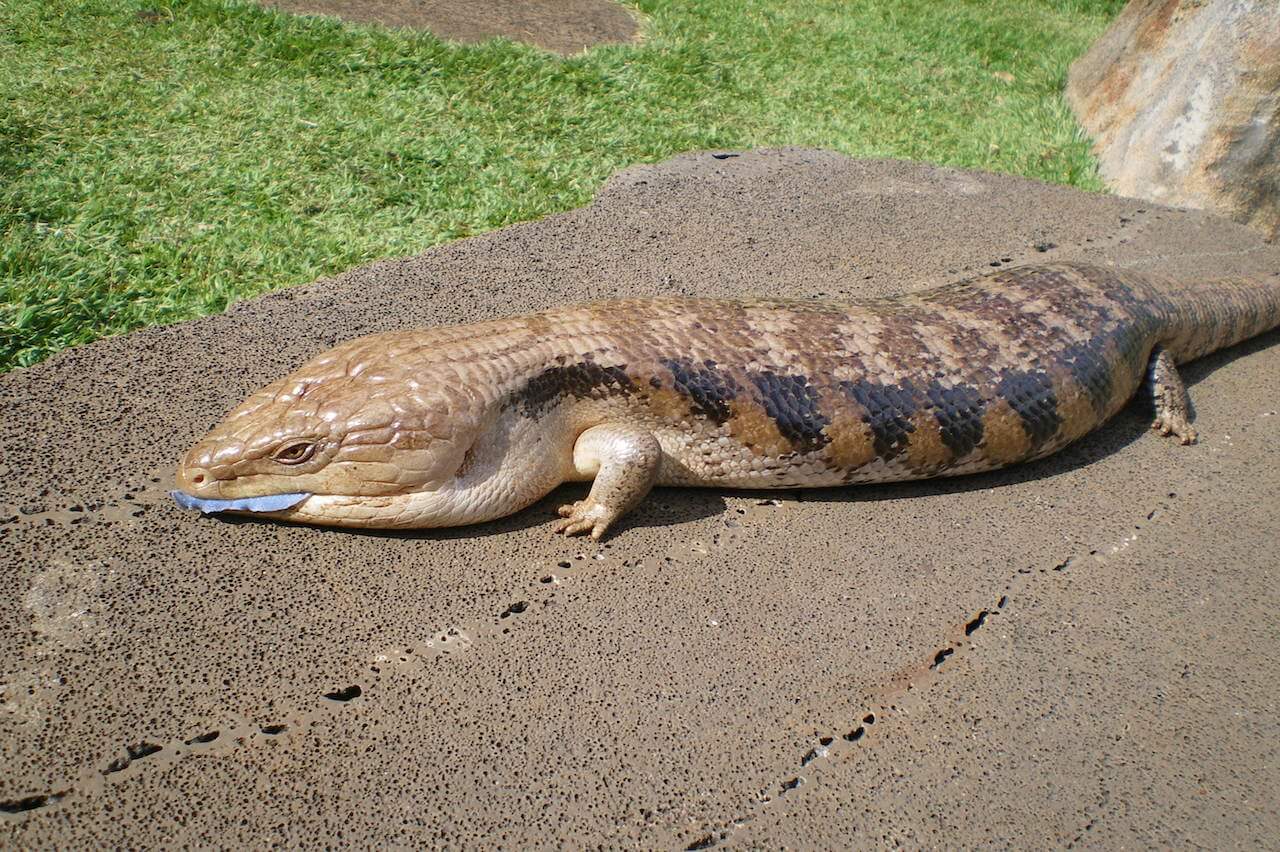
The northern blue-tongued skink ( T. s. intermedia ) is a subspecies of the common blue-tongued skink ( T. s. scincoides ). Similar to other blue-tongued lizards, the northern blue-tongued skink has very distinctive patterning. Northerns tend to be a bright orange to soft peachy orange or even a yellowish colour with darker stripes along their.
Alpine Blotched Blue Tongue Lizard
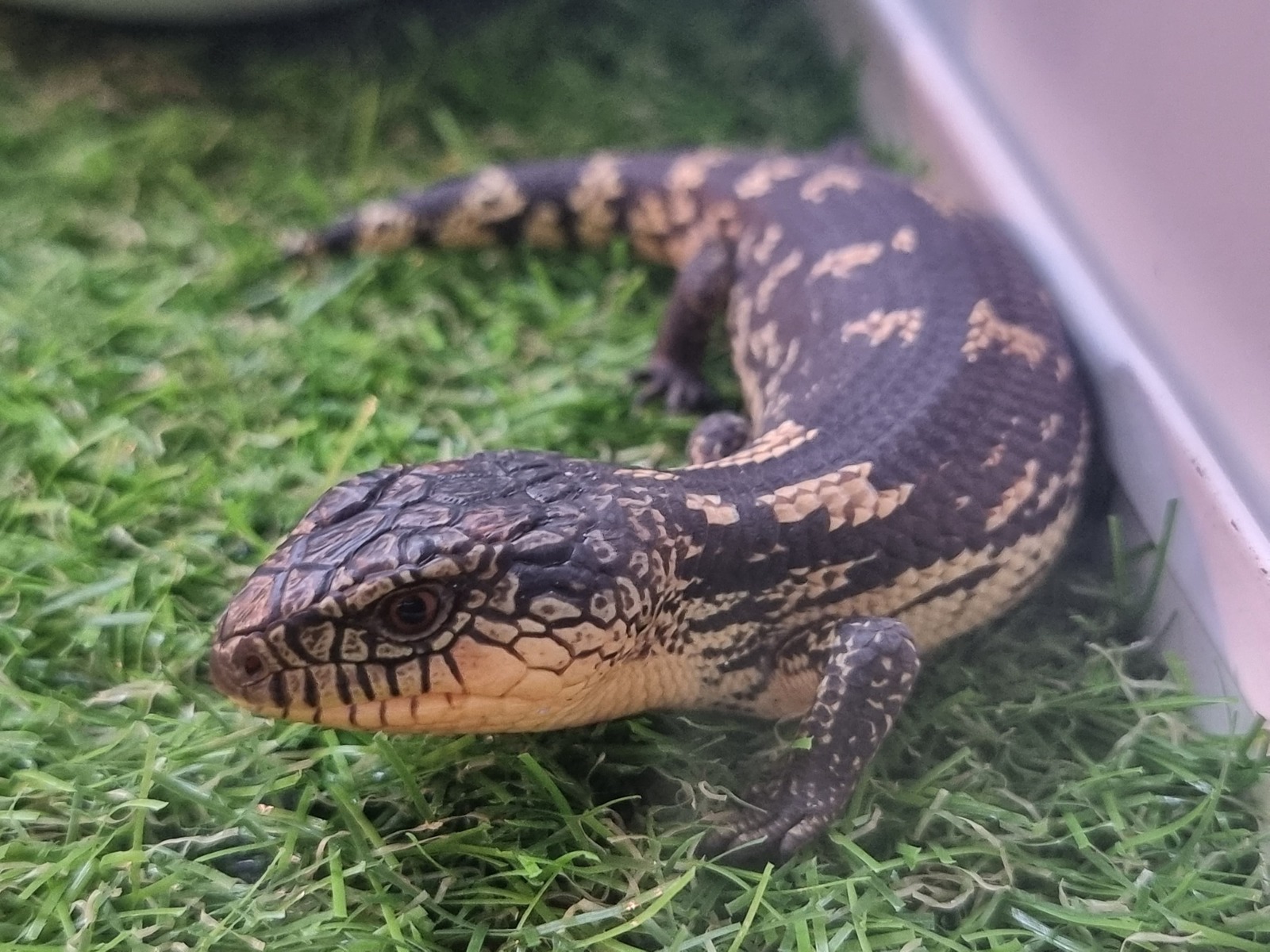
Blue-tongue lizard eggs develop and hatch inside the female's body and she gives birth to tiny fully formed baby lizards, about 10 to 15 each time. Five species of blue-tongue lizard? Yep, that's correct. There are six species or subspecies of blue-tongue lizards, each with a particular distribution. This one - the shingleback - is found.
Bluetongue Lizard a prominent characteristic of the genus is a large blue tongue that can be

The young are ready to look after themselves straight after birth, and disperse within a few days. Blue-tongues probably become adults at about three years of age when they have a total length of about 400 mm. Blue-tongues are long-lived. Several captive animals have lived for 20 years, and they may live much longer.
Blue Tongued Lizard in Australia Australia animals, Australian native animals, Australian fauna

The Common Blue-tongue Lizard has the largest litter (up to 25 young at once) and the smallest young. The baby blue-tongue lizards are 13 to 14 cm long and weigh 10 to 20 g. The Shingleback is at the other end of the scale with only two or three young, about 22 cm in size and weighing 200 g.
Australian BlueTongue Lizard (Warning 6 images) Nature and Wildlife Photography Forum

Of Australia's 600 species of species of lizards, the Blue Tongue skinks have to be amoung at the most instantly recognisable and iconic In this video w.
.

