Book Review "1177 B.C. The Year Civilization Collapsed" by Eric H. Cline Owlcation
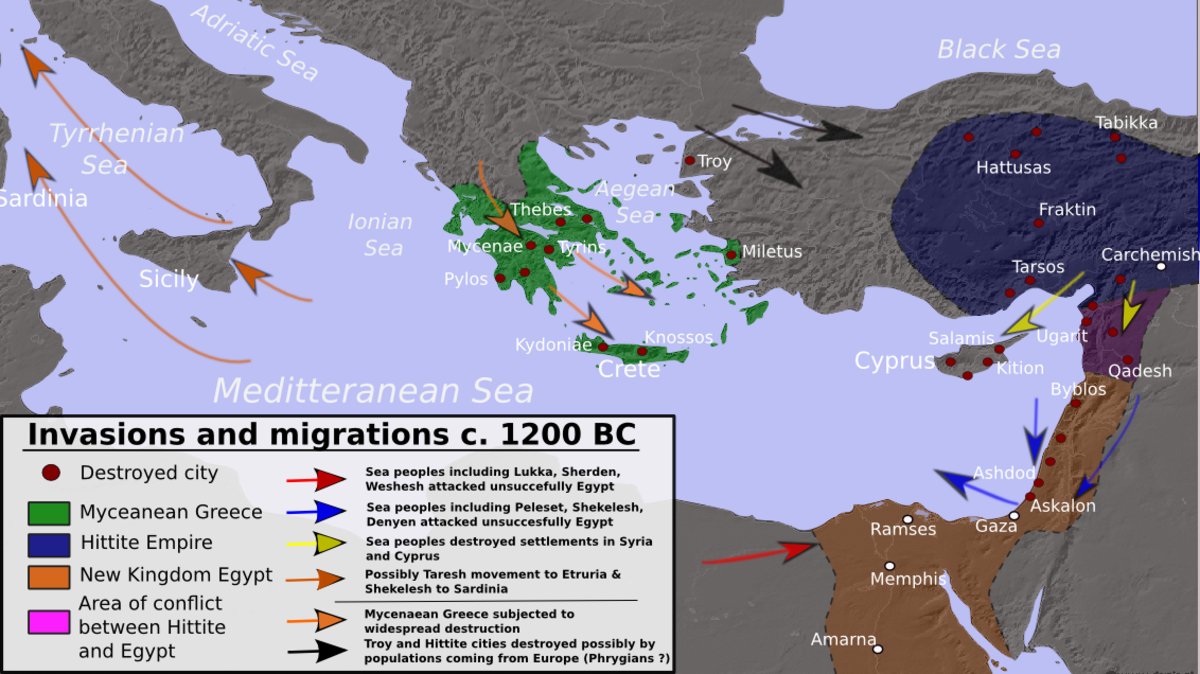
Cline establishes as the focus of his book the collapse of the Late Bronze Age civilizations throughout the Eastern Mediterranean and he warns that there are lessons to learn for today's global society. The prologue introduces the Sea Peoples and the circumstances surrounding their clash with Ramses III in 1177 B.C.
1177 BC The year civilization collapsed

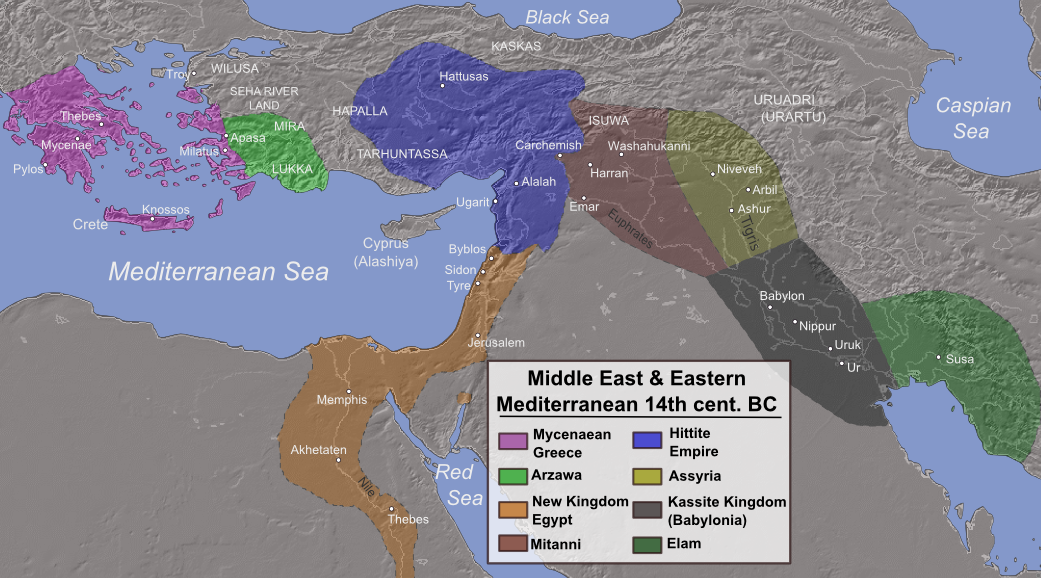
"1177 B.C.: The Year Civilization Collapsed" is a short but engrossing look into the Late Bronze Age (LBA) and the various factors that contributed to the collapse of ancient civilizations like the Hittites, Assyrians, Mycenaeans, Mitannians, Babylonians, even Egyptians to some extent.
1177 B.C. The Year Civilization Collapsed by Eric H. Cline

1177 B.C. was a pivotal moment in the history of civilization—a turning point for the ancient world. By that time, the Bronze Age in the Aegean, Egypt, and Near East had lasted nearly 2,000 years, from approximately 3000 B.C. to just after 1200 B.C. When the end came, as it did after centuries of cultural and technological evolution, most of.
1177 B.C. The Year Civilization Collapsed
1In the final decades of the 12th century B.C. a number of centuries-old empires in the Eastern Mediterranean collapsed. The notable exception being Egypt whose pharaohs defeated subsequent threats from the invading Sea Peoples. The end of the Bronze Age was characterised by the loss of many large state structures, population decline, the.
1177 B.C.The Year Civilization Collapsed Revised and Updated by Cline, Eric H.Buy Online 1177
9,404 ratings1,233 reviews. From acclaimed archaeologist and bestselling author Eric Cline, a breathtaking account of how the collapse of an ancient civilized world ushered in the first Dark Ages. In 1177 B.C., marauding groups known only as the Sea Peoples invaded Egypt. The pharaoh's army and navy defeated them, but the victory so weakened.
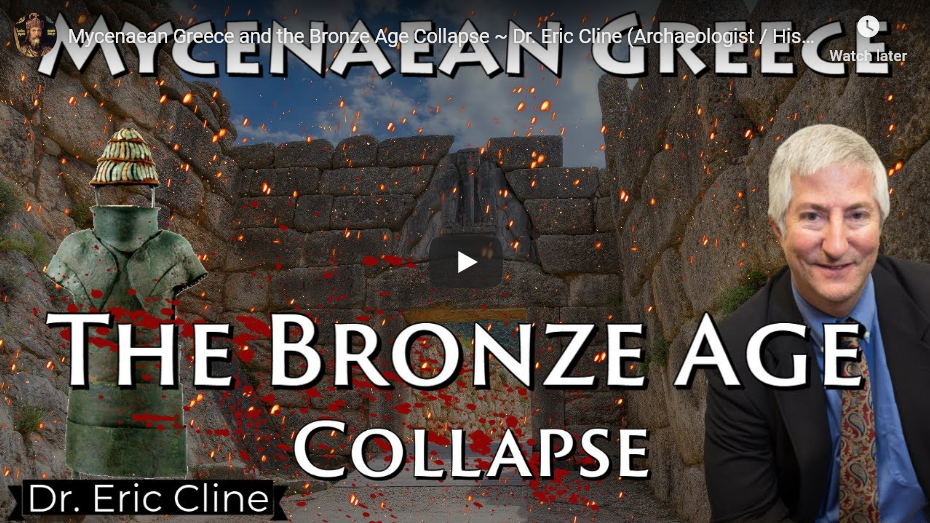
Mycenaean Greece and the Bronze Age Collapse Dr. Eric Cline (Archaeologist / Historian / 1177
The Year Civilization Collapsed is a 2014 non-fiction book about the Late Bronze Age collapse by American archaeologist Eric H. Cline. It was published by Princeton University Press . An updated edition was published in 2021.
1177 B C The Year Civilization Collapsed Book Trailer YouTube
Winner of the 2014 "Nancy Lapp Award for Best Popular Book" from the American Schools of Oriental Research for his book "1177 BC: The Year Civilization Collapsed," which was also considered for a Pulitzer Prize, and winner of the same award again in 2018 for his book "Three Stones Make a Wall: The Story of Archaeology," he is also a three-time.
What Caused The Mysterious Bronze Age Collapse? World History et cetera
Cline's 1177 B.C.: The Year Civilization Collapsed stands out among the rest as one of the best and most thoroughly researched. . . . This book is presented as a mystery novel. . . . One thing is for certain, once started, you will not want to put it down."—. "1177 BC still offers the best treatment of the subject that is currently available.
The Villa Council Presents 1177 BC The Year Civilization Collapsed « Quotulatiousness

The author briefly argues that 1177 is a good benchmark year to declare the Bronze Age civilization to have collapsed, but I imagine that the publisher wanted the book to have a bolder title than "The Gradual Collapse of Mediterranean Bronze Age Civilization".The prose is well constructed, but some sections lag due to the technical nature of.
1177 B.C. (Revised and Updated) The Year Civilization Collapsed (Audible Audio Edition) Eric H

prologue: the collapse of civilizations: 1177 bc download; xml; act i.: of arms and the man: the fifteenth century bc download; xml; act ii.: an (aegean) affair to remember: the fourteenth century bc download; xml; act iii.: fighting for gods and country: the thirteenth century bc download; xml; act iv.: the end of an era: the twelfth century.
What Happened After Civilization Collapsed Throughline NPR

Ten years ago, archaeologist Eric Cline's book 1177 B.C.:The Year Civilization Collapsed became a surprise critical and commercial hit and a nominee for the Pulitzer Prize.* It's since been.
What Caused The Bronze Age Collapse Of Civilization? (5 Theories)

Eric Kline's 2nd Edition of the book 1177 BC: The Year Civilization Collapsed is an epiphany for those who stood before the mute stones of Mycenae, Troy, Egyptian Pyramids, and Armageddon trying to decipher events a thousand years hence. Professor Kline's book presents hard facts, dates, and direct Bronze age reports of mythological events.
File 1177 B.C. The Year Civilization Collapsed Paperback

"In 1177 B.C., marauding groups known only as the "Sea Peoples" invaded Egypt. The pharaoh's army and navy managed to defeat them, but the victory so weakened Egypt that it soon slid into decline, as did most of the surrounding civilizations. After centuries of brilliance, the civilized world of the Bronze Age came to an abrupt and cataclysmic end.
Bronze Age Collapse Ancient History Encyclopedia

A bold reassessment of what caused the Late Bronze Age collapse In 1177 B.C., marauding groups known only as the "Sea Peoples" invaded Egypt. The pharaoh's army and navy managed to defeat them, but the victory so weakened Egypt that it soon slid into decline, as did most of the surrounding civilizations. After centuries of brilliance, the.
1177 BC The Year Civilization Collapsed The Archaeological Institute of America

Eric H. Cline is professor of classics and anthropology at George Washington University. His many books include 1177 B.C.:The Year Civilization Collapsed and After 1177 B.C.:The Survival of Civilizations (both Princeton).Glynnis Fawkes is the author-illustrator of Charlotte Brontë before Jane Eyre and Persephone's Garden, among other books, and her comics have appeared on the website of The.
1177 B.C. The Year Civilization Collapsed, by Eric H. Cline Jesper Ahlin Marceta

The book, by Eric H. Cline, an archeologist and anthropologist, is called 1177 B.C.: The Year Civilization Collapsed. It adds that remote date, previously inauspicious to all but scholars of the Late Bronze Age, to other, later ones--475 A.D., when Rome got sacked for good; 1348, the first year of the Black Plague; and that grim centennial.
.